The IMKASF
The Institute of Meteorology and Climate Research Atmospheric Trace Gases and Remote Sensing (IMKASF) investigates dynamic, microphysical and chemical processes in the Earth’s atmosphere, with the goal to understand, quantify and predict its natural variability and long-term changes.
Accurate measurements of atmospheric trace gases, aerosols and clouds from various observational platforms (ground-based stations, air craft, balloons, satellites) provide the data that are required for the modelling of atmospheric processes.
Particular focus of the activities of IMKASF is to investigate the complex links and feedbacks between climate change, dynamics and transport, and atmospheric chemistry.
In the coming years, we will build a Smart Sensor System for Sustainable Urban Regions (4SURE) together with partners at the University of Freiburg. The high-resolution network will focus on extremes such as heat, drought and heavy rain, and will receive funding from the European Fund for Regional Development, awarded by the state of Baden-Württemberg.
to the press release
In recognition of his academic achievements, the KIT Senate has awarded Frank Hase the title of “apl. Prof.“ (associate professor). On January 19, he received the certificate from BGU Dean Hansjörg Kutterer. Congratulations!
apl. Prof. Dr. Frank Hase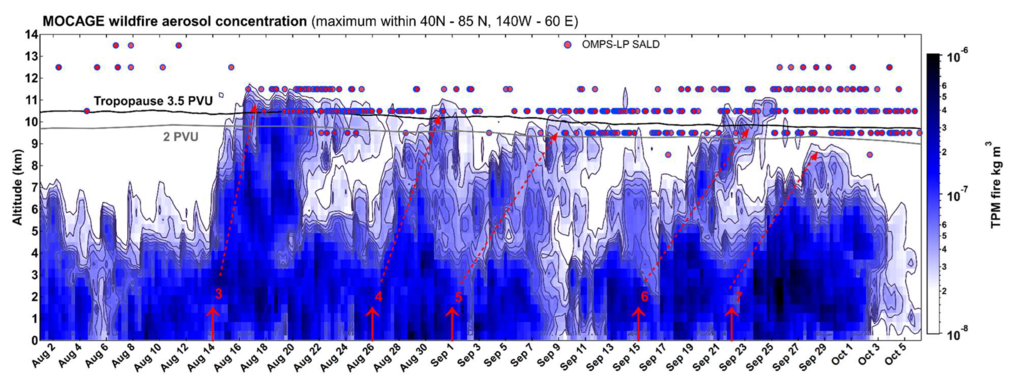
The frequency of wildfires increase due to global warming, but wildfires can also impact climate when aerosols are emitted high up into the atmosphere. An international team of authors including members of our Institute has shown that there are two pathways for these stratospheric intrusions; both were active during the exceptionally vigorous 2023 Canadian wildfires.
Link to the paper