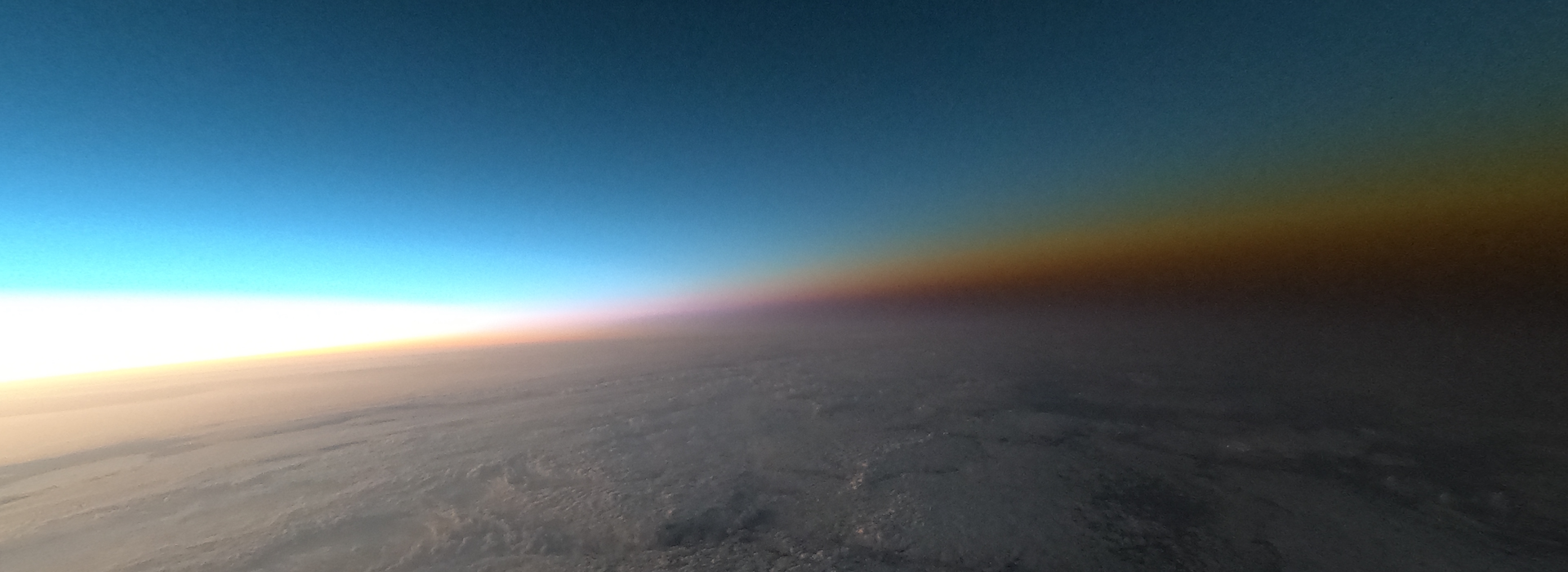
The IMKASF
The Institute of Meteorology and Climate Research Atmospheric Trace Gases and Remote Sensing (IMKASF) investigates dynamic, microphysical and chemical processes in the Earth’s atmosphere, with the goal to understand, quantify and predict its natural variability and long-term changes.
Accurate measurements of atmospheric trace gases, aerosols and clouds from various observational platforms (ground-based stations, air craft, balloons, satellites) provide the data that are required for the modelling of atmospheric processes.
Particular focus of the activities of IMKASF is to investigate the complex links and feedbacks between climate change, dynamics and transport, and atmospheric chemistry.
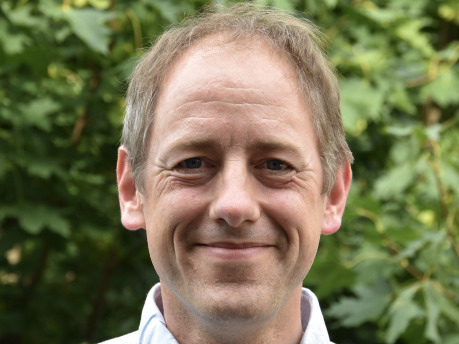
Starting 1 August 2026, Prof. Dr. Jan Cermak is officially the head of IMKASF.
He had already filled this role on an interim basis over the past two years.
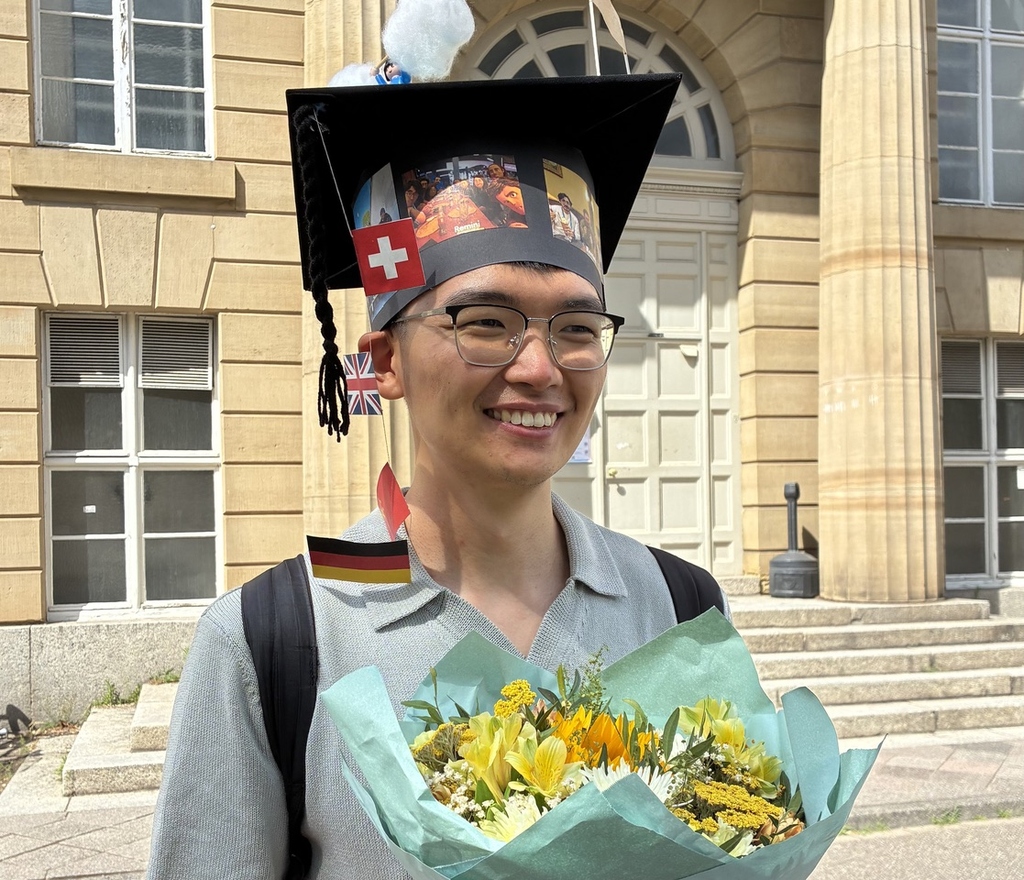
On 23 June Yichen Jia successfully defended his thesis on how marine low-level clouds respond to aerosol. In his work he has used satellite data and model output. Congratulations Dr. Jia!
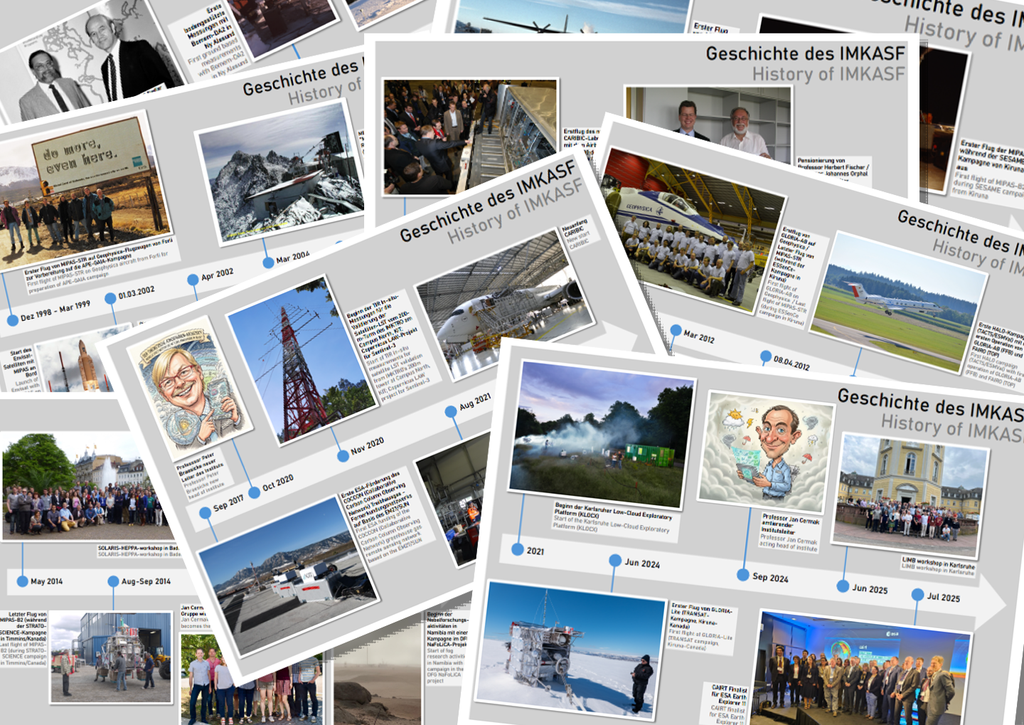
IMKASF was founded in 1986. To celebrate 40 eventful years, and a bright outlook for what is to come, we held a celebration on with about 120 attendants on 15 June. The programme featured a scientific colloquium, a summer party, and a timeline exhibit that will be put on display in our buildings.

On April 23, 2026, the workshop “Fog Detectives – Tracking Clouds” took place at IMKASF as part of Girls’ Day at KIT. Ten girls aged 10 to 13 learned how fog forms and how it can be observed using satellite data, created their own fog in a jar, and built a fog collector. The workshop was designed and conducted by Julia Fuchs, Eva Pauli (both SKL), and Maria Laura Pinilla (IMKTRO).

An updated overview of the ICON-ART model with contributions from IMKASF was published in the journal Geoscientific Model Development on February 27.
To the publication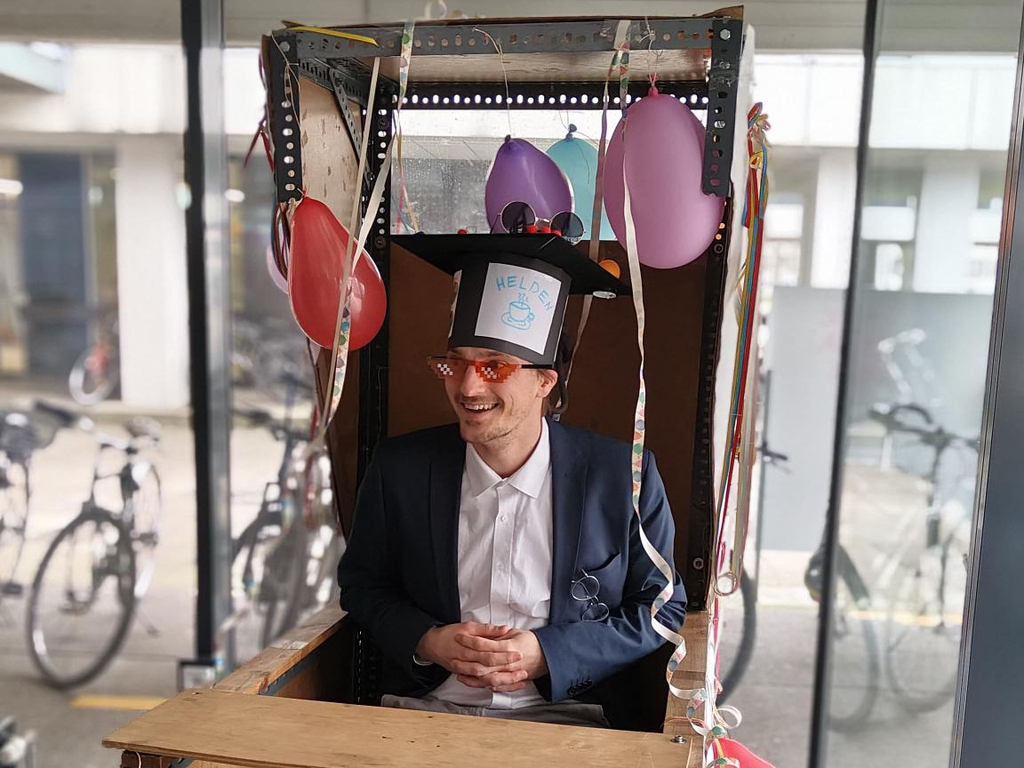
On February 6, Valentin Hanft (IMKASF-MOD) successfully defended his doctoral thesis entitled "Prognostic Ozone for ICON: Enabling UV Forecasts."